Side-by-Side IQ Profile: Interpreting the 3/5 Score
In the Cosmic Pet Pet IQ Lab, both the Tibetan Mastiff and the Scottish Deerhound register a consistent 3/5 across all five cognitive dimensions: Problem Solving, Training Speed, Social Intelligence, Instinctive Drive, and Memory. This shared score doesn't imply identical mental processes, but rather that each breed possesses a moderate, functional level of intelligence tailored to its historical purpose. A 3/5 indicates they are certainly capable, but perhaps not inclined towards abstract academic challenges or rapid-fire obedience, instead excelling in the specific cognitive tasks their lineage demands. Understanding this nuance is key to appreciating their individual brilliance.
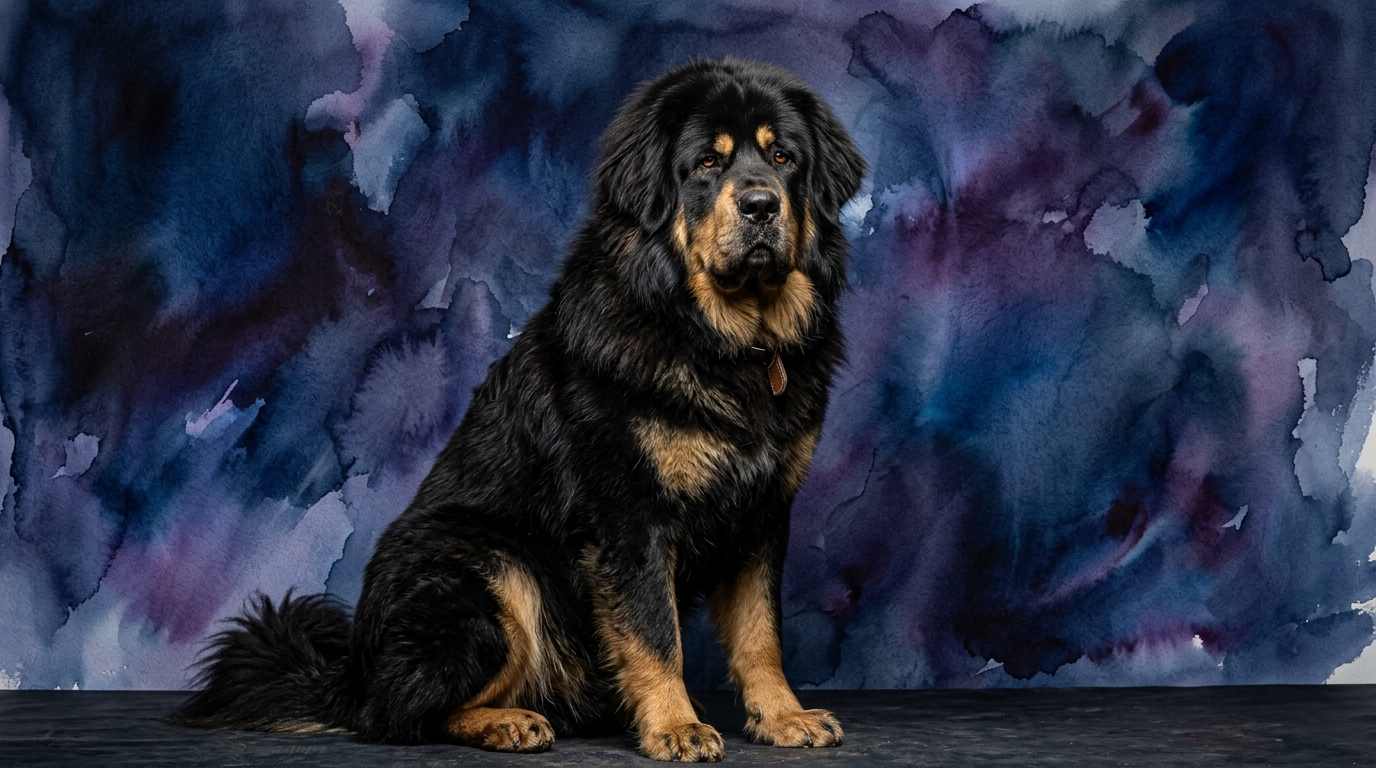
The Tibetan Mastiff, a dog of the Working group, exhibits its 3/5 scores through the lens of a steadfast guardian. Their Problem Solving (3/5) is geared towards practical, territorial challenges, excelling at evaluating environmental cues for potential threats and making nuanced judgments about who or what belongs. This isn't about solving complex puzzles, but effectively managing their domain with discernment. Training Speed (3/5) means they are capable learners, but often deliberate and require understanding of 'why' a command is relevant to their protective purpose; their independent nature means training is a patient, consistent endeavor. Their Social Intelligence (3/5) is highly astute within their family unit, discerning subtle shifts in mood or intent, while with strangers, it manifests as careful assessment and discernment, rather than immediate openness. Instinctive Drive (3/5) primarily reflects a strong, innate drive for vigilance, territorial patrol, and protection, guiding their responses to perceived threats. Lastly, their Memory (3/5) is robust for routines, territorial boundaries, and the individuals accepted into their 'flock,' recalling past interactions and environmental changes relevant to their duties.
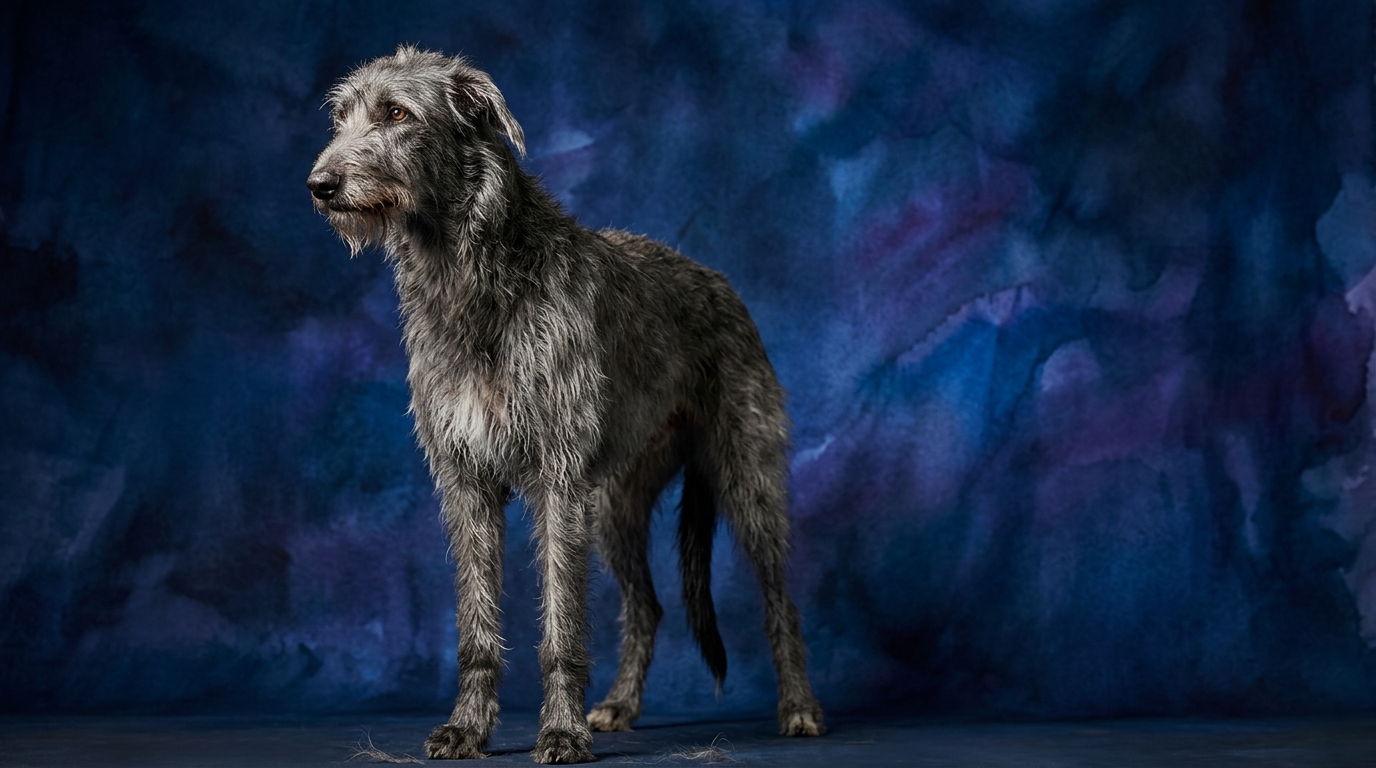
Conversely, the Scottish Deerhound, a majestic Hound, expresses its identical 3/5 scores through the instincts of a sighthound. Their Problem Solving (3/5) is dynamically geared towards the hunt, involving calculating optimal pursuit trajectories, navigating varied terrain at speed, and anticipating the movements of prey; their solutions are often physical and immediate. Training Speed (3/5) indicates they are capable of learning, but their focus can be easily diverted by movement or scents, with training success hinging on making it highly engaging and leveraging their natural desire to run and chase. Their Social Intelligence (3/5) makes them generally gentle and sensitive, attuned to human emotions within their trusted circle, while with strangers, they often display a quiet dignity rather than effusiveness, rarely aggression. The Instinctive Drive (3/5) highlights an intense, inherent drive for visual pursuit, making them incredibly focused on moving objects and distant sights – this drive is a core part of their identity. Their Memory (3/5) is excellent for visual cues, open spaces they've explored, and the thrill of previous chases, allowing them to recall specific hunting grounds or paths that offered good opportunities for a sprint.
Where the Tibetan Mastiff Cognitively Excels
The Tibetan Mastiff's cognitive strengths are profoundly rooted in its ancient role as a livestock and property guardian. Their 3/5 Problem Solving and Social Intelligence shine brightest in territory management and discerning nuanced threats. They possess an exceptional ability to independently assess situations, making subtle judgments about safety and intrusion without constant human direction. This isn't about rapid obedience, but about thoughtful, context-aware decision-making when protecting their domain, often preferring to observe and deter rather than engage in direct confrontation until necessary. Their protective instincts are a finely tuned cognitive apparatus.
Furthermore, their Instinctive Drive (3/5) is perfectly calibrated for vigilance and deterrence, making them masters of subtle environmental monitoring. They excel at processing a myriad of sensory information – sounds, smells, and distant movements – to identify potential issues long before they become immediate threats. This continuous, low-level cognitive processing, combined with their 3/5 memory for established routines and accepted individuals, allows them to maintain a consistent, reliable watch over their territory, a profound testament to their functional intelligence.
Where the Scottish Deerhound Cognitively Excels
The Scottish Deerhound's cognitive prowess is undeniably centered on its sighthound heritage and the art of the chase. Their 3/5 Problem Solving capacity is remarkable in the context of open-field pursuit, where they intuitively calculate optimal trajectories, anticipate prey movements, and adapt their running strategy across varied terrains at astonishing speeds. This isn't abstract thought, but a highly specialized form of intelligence that integrates visual processing, physical coordination, and instinctual decision-making into a seamless, elegant hunt. Their Instinctive Drive (3/5) for chase is paramount, fueling this entire cognitive system.
Their Training Speed (3/5), while moderate in general obedience, is exceptionally leveraged in activities that tap into their natural athleticism and visual acuity, such as lure coursing, where they demonstrate quick understanding of the game's objective. Coupled with their 3/5 memory, they can recall optimal running paths and visual cues over vast distances, indicating a strong spatial and visual memory. This breed's intelligence is a testament to the power of specialized evolution, demonstrating peak performance in its intended domain.
Training Dynamics: Independence vs. Instinct
When considering trainability, both breeds, despite their 3/5 Training Speed, present unique challenges rooted in their distinct cognitive makeups. The Tibetan Mastiff's training requires immense patience and respect for their independent, guardian mindset. They are not typically eager to please in the conventional sense; rather, they learn best when tasks align with their protective instincts and they understand the 'why' behind a command. Consistency, clear communication, and positive reinforcement are critical, as harsh methods are counterproductive and can damage trust with this deliberate, self-assured breed. Their independent problem-solving often means they'll weigh a command against their own judgment.
The Scottish Deerhound also possesses an independent streak, but theirs is driven by the intense thrill of the chase. Training needs to be highly engaging, often incorporating elements of play and movement to capture their attention and overcome their natural distraction to visual stimuli. Their 3/5 training speed is best utilized when motivation is high and directly related to their sighthound nature. Neither breed is typically considered a 'beginner's dog' for obedience; the Tibetan Mastiff's deep-seated protective nature makes them thoughtful, sometimes slow, learners, while the Scottish Deerhound's intense prey drive and visual focus require constant management and creative training approaches to channel their instincts constructively.
Lifestyle Suitability: Active Pursuit vs. Vigilant Observation
The cognitive profiles of these breeds directly influence their suitability for different lifestyles. For active owners who enjoy bursts of intense physical activity and mental engagement, the Scottish Deerhound is often an ideal match. Their 3/5 instinctive drive for chasing mandates regular opportunities for free, high-speed running in a secure, fenced area. While they are calm and gentle indoors, their cognitive well-being requires outlets that allow them to exercise their sighthound instincts, such as lure coursing or long, brisk walks in open spaces, engaging their visual problem-solving skills.
Conversely, owners seeking a more relaxed pace, who appreciate a calm, watchful presence, may find the Tibetan Mastiff more suitable, provided they understand the breed's territorial needs. While they require regular, moderate exercise, their primary 'work' involves vigilant observation and guardianship. Owners prepared for territorial management and who value a dog whose 3/5 social intelligence is about discerning rather than constant interaction will appreciate their profound, independent companionship. They thrive in environments where they can quietly survey their domain, offering a profound sense of security without requiring constant, high-energy interaction.
The Verdict
For those seeking a steadfast, independent guardian whose cognitive strengths lie in vigilant observation and territorial protection, the Tibetan Mastiff is an unmatched choice, offering a profound bond built on mutual respect and understanding of their ancient role.
Conversely, if your life embraces bursts of exhilarating activity and you admire a dog whose intelligence excels in the art of the chase and elegant athleticism, the Scottish Deerhound will be a rewarding companion, bringing grace and a sighthound's unique perspective to your home.
🧠 Find Your Pet's IQ Score
Our Pet IQ Lab assessment covers 25+ tests across 5 cognitive dimensions — personalized to your breed.
Take the Full IQ Test →Frequently Asked Questions
Are Tibetan Mastiffs difficult to train?
Tibetan Mastiffs, with their 3/5 training speed, are not inherently difficult but require a patient, consistent approach that respects their independent, protective nature. They learn best when tasks align with their role as guardians, often needing clear motivation and positive reinforcement rather than strict obedience methods.
How much exercise does a Scottish Deerhound need?
Scottish Deerhounds, driven by their 3/5 instinctive drive for chase, require regular opportunities for intense, free running in a safe, enclosed space. While they enjoy lounging indoors, daily bursts of high-speed exercise are crucial for their physical and mental well-being, channeling their innate sighthound instincts.
Which breed is better with strangers?
The Scottish Deerhound, with its 3/5 social intelligence, tends to be more generally amiable, though reserved, with strangers once properly introduced. The Tibetan Mastiff, also 3/5 in social intelligence, is typically much more wary and discerning with outsiders, deeply attuned to their territory and family, making early socialization paramount for appropriate responses.