Side-by-Side Cognitive Profiles: Decoding the '3/5'
At The Cosmic Pet Pet IQ Lab, we assess canine intelligence across five key dimensions, each scored out of five. Interestingly, both the formidable Tibetan Mastiff and the charming Tibetan Spaniel register a consistent 3/5 across all five categories. This identical numerical score, however, tells only part of the story; the true nuance lies in how these abilities are expressed within each breed's unique context and ancestral purpose.
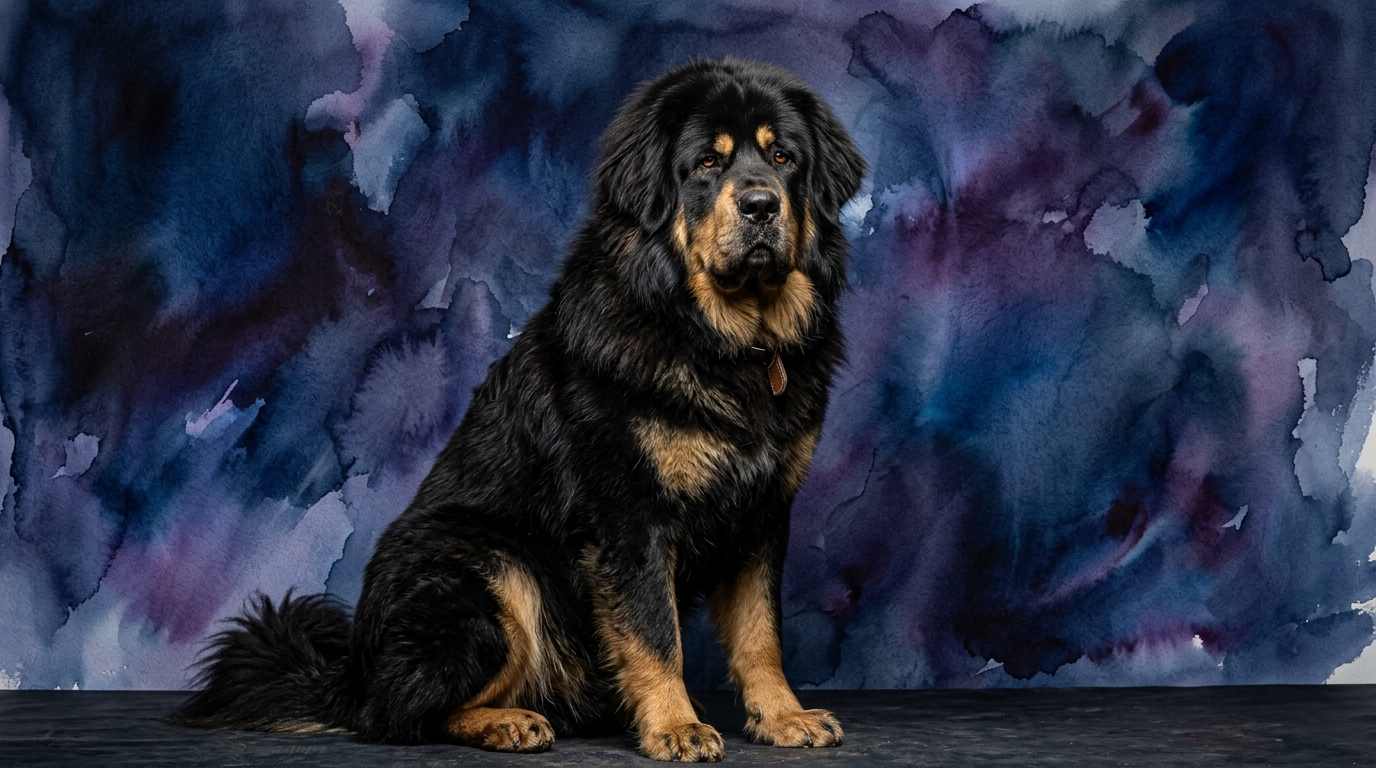
For the Tibetan Mastiff, a working breed, a '3/5' in problem-solving signifies a deliberate, independent assessment of environmental cues, particularly those related to guarding and territory. Their training speed, also 3/5, reflects a capacity to learn but often on their own terms, requiring patience and mutual respect rather than eager compliance. Social intelligence at 3/5 means a discerning loyalty to their family unit, coupled with a natural wariness towards strangers, where they are adept at reading intentions within their protective framework. Their instinctive drive, a strong 3/5, is deeply rooted in territorial defense and vigilance. Lastly, a 3/5 memory indicates a strong recall for routines, perceived threats, and the individuals within their trusted circle, crucial for their guardian role.
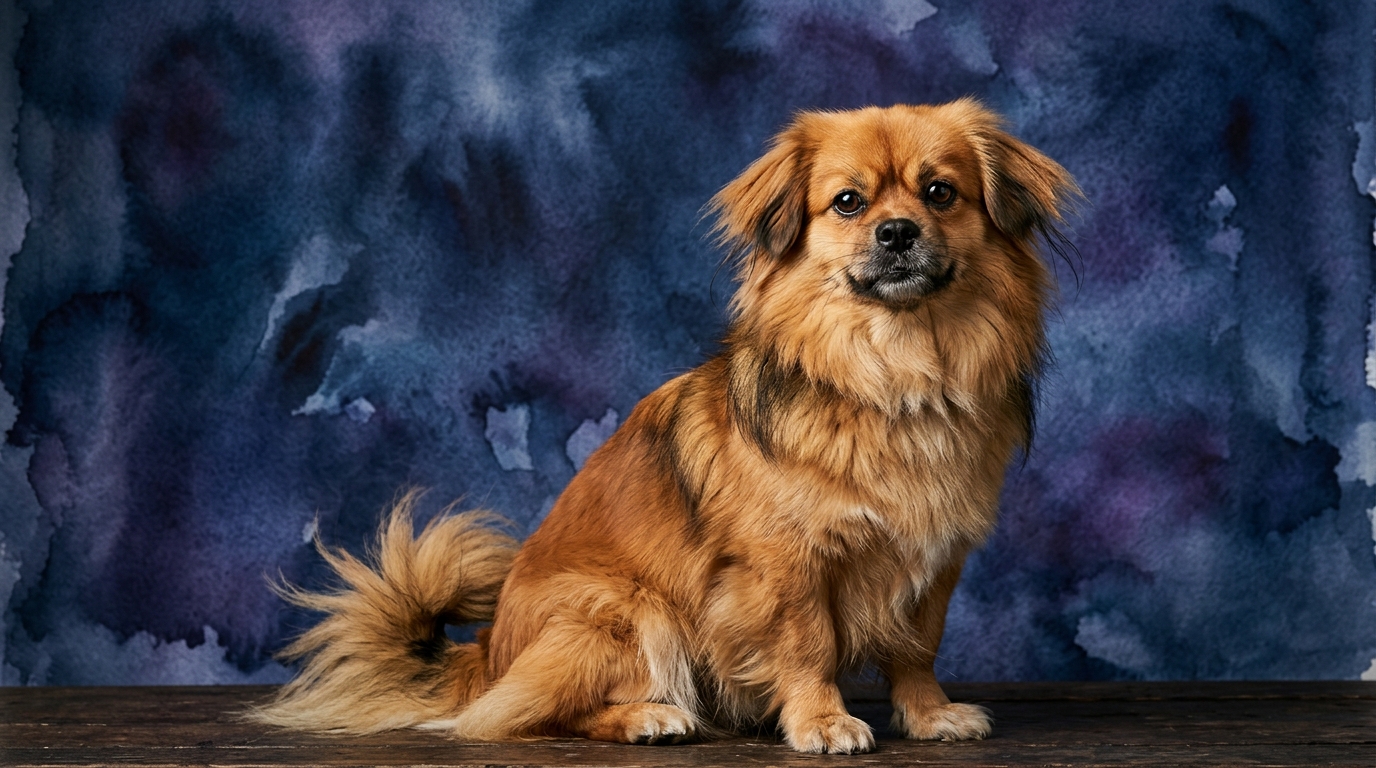
The Tibetan Spaniel, a non-sporting companion breed, interprets its '3/5' scores differently. Their problem-solving at 3/5 often manifests as cleverness in navigating household dynamics, figuring out how to gain attention or access to desired resources, or overcoming minor domestic obstacles. A 3/5 training speed suggests they are capable learners, though often possessing an independent streak or a selective ear when something more interesting captures their attention. Social intelligence, also 3/5, highlights their acute sensitivity to human moods and a desire for close companionship, thriving on interaction within their trusted social group. Their instinctive drive, a 3/5, leans towards being an alert watchdog, often from a high vantage point, barking to signal perceived changes. Finally, their 3/5 memory is adept at recalling daily routines, favorite people, and the locations of comfort or treats, essential for their role as an engaging household member.
Where the Tibetan Mastiff Cognitively Excels
The Tibetan Mastiff's cognitive strengths distinctly align with their heritage as formidable guardians. Their problem-solving, while rated 3/5, shines brightest in situations demanding independent judgment and strategic defense. For instance, evaluating a new sound on the perimeter or assessing an unfamiliar visitor involves a complex processing of sensory input against their established territorial knowledge, leading to a measured response rather than impulsive action. This deliberate processing allows them to act as discerning protectors, distinguishing genuine threats from benign occurrences with a thoughtful approach.
Their 3/5 social intelligence is particularly acute within the confines of their family. They possess a remarkable ability to discern the emotional states and intentions of their trusted humans, offering comfort or protection precisely when needed. This isn't about universal friendliness, but a deep, nuanced understanding of their specific bond and the dynamics within their immediate pack. Coupled with their robust 3/5 memory, they form lasting impressions of individuals and events, remembering perceived slights or kindnesses with impressive longevity, which underpins their consistent protective behavior and deep loyalty.
Where the Tibetan Spaniel Cognitively Shines
The Tibetan Spaniel's cognitive advantages are rooted in their role as alert, engaging companions. Their 3/5 problem-solving often manifests in their resourcefulness within a home environment. They might strategically position themselves to observe household activity, figure out how to open a cupboard for a desired toy, or even 'herd' their owners towards the treat jar. This is a practical, domestic form of problem-solving, focused on navigating social interactions and manipulating their environment for comfort or attention.
Their 3/5 social intelligence allows them to integrate seamlessly into family life, often acting as keen observers of human interaction. They are adept at picking up on subtle cues, anticipating moods, and offering affectionate gestures at opportune moments. This nuanced social awareness makes them highly responsive companions, capable of forming deep, empathetic bonds. The Tibetan Spaniel's 3/5 instinctive drive for alertness, expressed through their characteristic 'watchdog' barking, is a testament to their keen perception of their surroundings, providing a valuable early warning system, despite their small stature.
Training Dynamics: Patience vs. Playfulness
When it comes to training, the identical 3/5 training speed scores for both breeds belie significant differences in their approach and an owner's experience. The Tibetan Mastiff, with its independent problem-solving and strong guardian instincts, often approaches training as a negotiation rather than simple compliance. They learn, but they process commands through the lens of their own assessment of the situation and their role. This means training requires immense patience, consistency, and a deep understanding of their inherent desire for autonomy. They respond best to a leader they respect, not one who tries to dominate, and often require more repetitions to solidify commands, as they are not inherently eager to 'please' in the traditional sense.
In contrast, the Tibetan Spaniel's 3/5 training speed is influenced by their companion nature and their drive for social interaction. They can be quick to pick up new commands and tricks, especially when positive reinforcement involves treats or playful engagement. However, their independent streak and tendency to be easily distracted by novelties or their internal thoughts can make sessions feel less straightforward. They might learn quickly but then decide a command isn't worth their effort at that moment, requiring owners to keep training fun, varied, and highly rewarding to maintain their focus and motivation. Their social intelligence means they respond well to enthusiastic praise and interaction, making training a bonding experience rather than a strict lesson.
Lifestyle Match: Active Engagement vs. Thoughtful Management
Choosing between these two breeds based on lifestyle requires understanding how their cognitive profiles translate into daily needs. The Tibetan Mastiff, despite its imposing size, is not a dog for constant, high-intensity physical activity. Their 'active' requirement leans more towards thoughtful management of their environment and consistent mental engagement. Owners need to provide ample, secure space for patrolling and observation, fulfilling their instinctive drive. Their problem-solving and memory benefit from consistent routines and opportunities to assess their surroundings, which is mentally stimulating for them. They suit experienced owners who can provide calm, assertive leadership and are prepared for a long-term commitment to their independent yet deeply loyal nature, prioritizing mental engagement and guardian fulfillment over strenuous exercise.
The Tibetan Spaniel, conversely, thrives with owners who offer active engagement in a different sense. While not requiring vast spaces or marathon runs, they benefit from regular, interactive play sessions, short walks, and opportunities for mental stimulation through puzzle toys or learning new tricks. Their social intelligence and memory make them excellent companions for owners who enjoy consistent interaction and can integrate them fully into family life. They adapt well to various living situations, including apartments, provided their owners are dedicated to providing consistent companionship and engaging activities. They suit relaxed owners in terms of physical demands, but active owners in terms of consistent social and cognitive interaction.
The Verdict
Choose the Tibetan Mastiff if you are an experienced owner seeking an independent, formidable guardian who will form a deep, discerning bond and you are prepared for consistent, patient training within a secure, spacious environment.
Choose the Tibetan Spaniel if you desire an alert, charming, and highly social companion dog adaptable to various living situations, and you enjoy consistent interactive play and positive reinforcement training.
🧠 Find Your Pet's IQ Score
Our Pet IQ Lab assessment covers 25+ tests across 5 cognitive dimensions — personalized to your breed.
Take the Full IQ Test →Frequently Asked Questions
Do Tibetan Mastiffs and Tibetan Spaniels have similar cognitive abilities?
Numerically, both breeds score 3/5 across our five IQ dimensions, indicating a moderate capacity across the board. However, the application and manifestation of these abilities differ significantly due to their distinct historical roles and inherent temperaments.
Which breed is easier for a first-time dog owner to train?
Generally, the Tibetan Spaniel might be more manageable for a first-time owner due to their smaller size and greater inclination towards social interaction and reward-based learning, despite their independent streak. The Tibetan Mastiff's independence and guardian instincts require a more experienced, patient, and consistent approach.
Are Tibetan Mastiffs and Tibetan Spaniels good with children?
Both breeds can be good with children when properly socialized and raised with respectful interactions. Tibetan Mastiffs are often tolerant and protective of 'their' children but require supervision due to their size and guardian instincts. Tibetan Spaniels, being smaller and more companion-oriented, tend to enjoy playful interaction but need to be protected from rough handling by very young children.