Side-by-Side Cognitive Profile: Interpreting Identical Scores
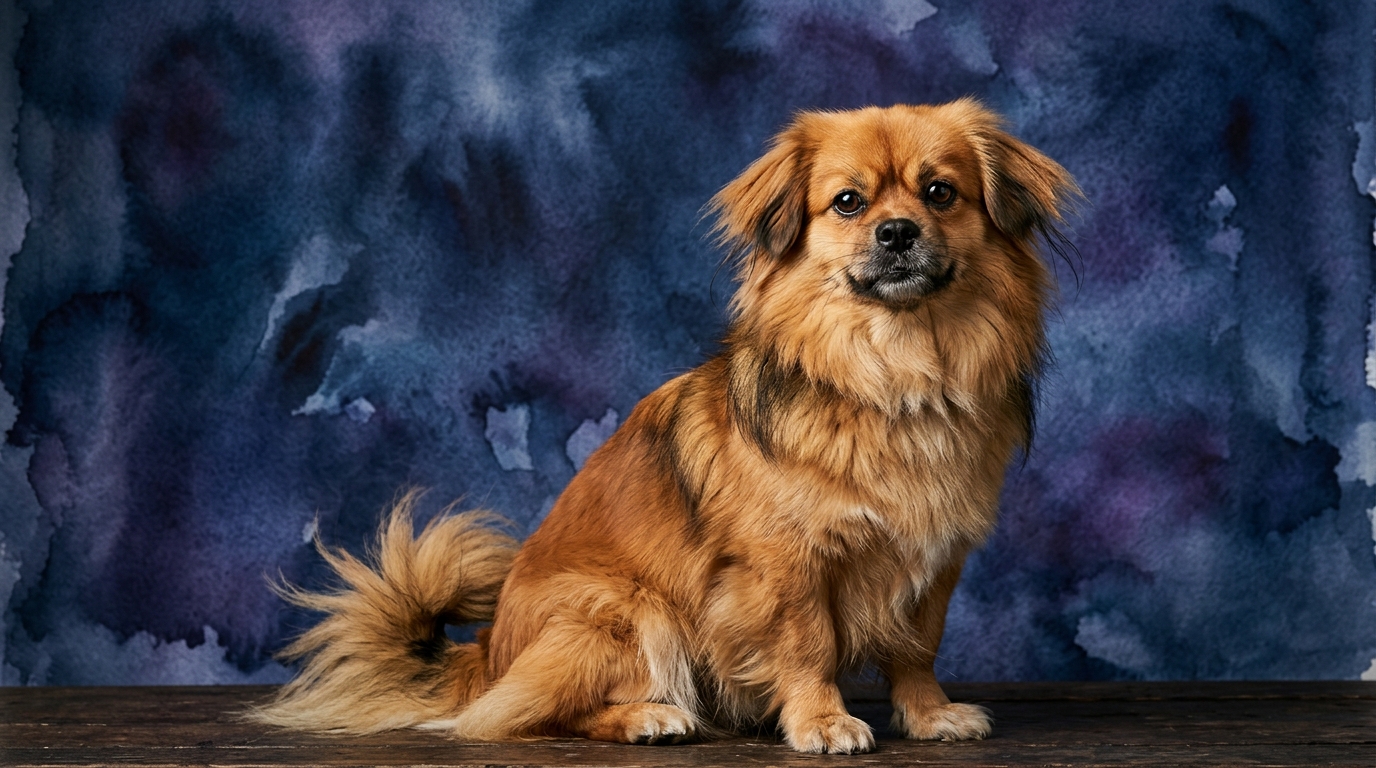
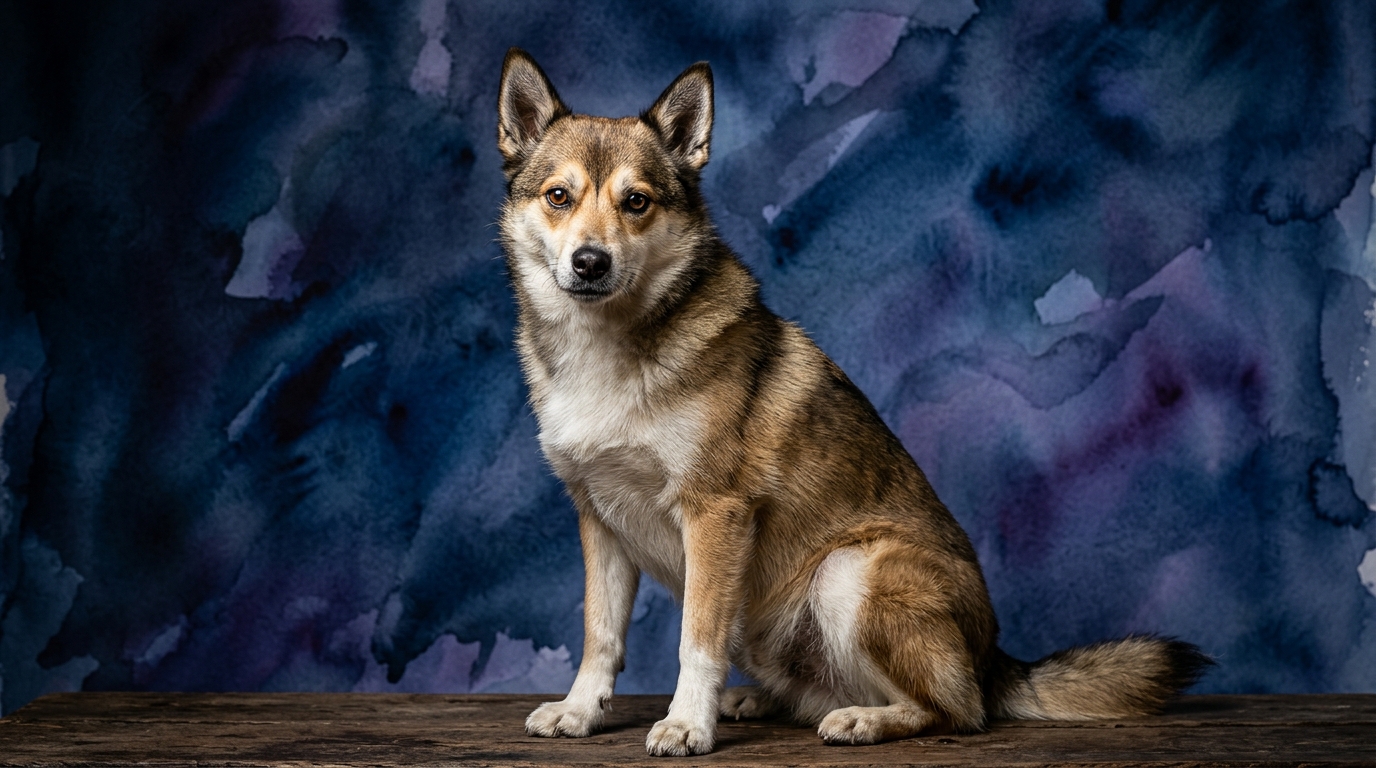
Both the Tibetan Spaniel and the Norwegian Lundehund register a consistent 3/5 across all five dimensions of our Pet IQ Lab assessment: Problem Solving, Training Speed, Social Intelligence, Instinctive Drive, and Memory. This uniform score doesn't imply identical mental landscapes, but rather a baseline of moderate capability that manifests uniquely in each breed, reflecting their historical roles and inherent temperaments. A 3/5 indicates a solid, functional level of cognitive ability, capable of learning and adapting, but perhaps not excelling in complex, abstract tasks without significant guidance.
For the Tibetan Spaniel, a 3/5 in Problem Solving often translates to a practical shrewdness within a domestic setting; they are adept at navigating household dynamics, understanding routines, and even subtly manipulating situations to their comfort or benefit, like figuring out how to secure a prime napping spot or an extra treat. Their 3/5 in Training Speed means they are receptive to learning basic commands and routines, though their independent streak means compliance can be selective and requires consistent, positive reinforcement. Social Intelligence at 3/5 highlights their attunement to their human family's moods and preferences, forming strong bonds while often remaining reserved with strangers. Their Instinctive Drive, also 3/5, leans towards alertness as watchdogs and a moderate chase drive, rather than strong prey or herding instincts. Finally, a 3/5 in Memory enables them to recall routines, people, and learned behaviors, even if they occasionally feign ignorance when it suits them.
The Norwegian Lundehund’s identical 3/5 scores, however, tell a different story through the lens of their unique heritage. Their Problem Solving at 3/5 manifests as an exceptional ability to navigate complex physical environments, a direct legacy of their puffin-hunting origins in treacherous coastal cliffs. This means they are often adept at finding unconventional routes, opening tricky latches, or exploring tight spaces, rather than solving abstract puzzles. A 3/5 in Training Speed indicates they can learn, but their independence, drive for exploration, and tendency towards mischief can make them easily distracted and less inclined towards repetitive drills, requiring creative and engaging training methods. Their Social Intelligence at 3/5 shows loyalty to their core family, but they can be quite wary or aloof with strangers, a trait stemming from their isolated development. The Lundehund’s Instinctive Drive at 3/5 is notably geared towards foraging, digging, and exploring, a powerful intrinsic motivation that can influence many aspects of their behavior. Their Memory, also 3/5, is strong for spatial layouts, routes, and locations of interesting smells, crucial for their historical role, and they also retain learned commands and routines.
Where the Tibetan Spaniel Excels Cognitively
Despite sharing the same numerical scores, the Tibetan Spaniel often demonstrates a nuanced cognitive advantage in areas pertaining to domestic adaptability and subtle interpersonal communication within a human household. Their 3/5 Social Intelligence, for instance, allows them to excel at reading human moods and anticipating needs in a less overt, more companion-oriented way than the Lundehund. They often display a quiet perceptiveness, understanding household dynamics and individual preferences without needing explicit instruction. This makes them particularly adept at integrating seamlessly into diverse family structures, often becoming highly attuned to their primary caregivers’ emotional states and routines.
Furthermore, their 3/5 Problem Solving, while not focused on physical feats, makes them masters of resourcefulness within the home. A Tibbie might not scale a fence, but they are more likely to figure out how to gently nudge a treat bag off a counter or position themselves perfectly to receive maximum attention during a quiet evening. Their moderate Instinctive Drive, less geared towards independent foraging or hunting, means their cognitive energy is often more directed towards social engagement and understanding their place within the family unit, giving them an edge in scenarios requiring a more settled, emotionally perceptive presence.
Where the Norwegian Lundehund Shows Cognitive Strength
The Norwegian Lundehund’s cognitive strengths are deeply rooted in their ancestral role, making them stand out in areas demanding physical and environmental problem-solving. Their 3/5 Problem Solving shines brightly when faced with spatial challenges or opportunities for exploration. A Lundehund can often outmaneuver a Tibbie in navigating complex terrains, finding hidden nooks, or even figuring out how to open gates or containers with surprising dexterity. This isn't just about agility; it's about a persistent, analytical approach to physical obstacles, driven by their innate curiosity and historical need to access difficult-to-reach puffin nests.
Their 3/5 Instinctive Drive, specifically towards foraging and exploration, provides a powerful cognitive engine. This drive fuels their tenacity in scent work, their desire to investigate every new environment, and their ability to remember complex routes (3/5 Memory) in pursuit of interesting smells or hidden treasures. While a Tibbie might solve the problem of getting comfortable on the sofa, a Lundehund is more likely to solve the problem of how to get *under* the sofa, into a cupboard, or through a small gap in the fence. This unique drive makes them exceptional at tasks requiring independent thought and physical cleverness in a dynamic environment, showcasing a different facet of what a 3/5 in these dimensions can mean.
Trainability: Patience for Both, Different Approaches for Each
When it comes to trainability, both breeds, with their 3/5 Training Speed, require patience and understanding, but the specific challenges differ. The Tibetan Spaniel, while possessing an independent streak, often responds well to positive reinforcement due to their desire for companionship and comfort. Their moderate Instinctive Drive means they are generally less distracted by external environmental stimuli during training sessions compared to the Lundehund. They learn routines effectively and can be motivated by praise, food, and the desire to please their human, even if they occasionally choose to 'think' about a command before executing it. Consistency is paramount, and short, engaging sessions work best to maintain their focus.
The Norwegian Lundehund, on the other hand, presents a unique set of training considerations. Their strong 3/5 Instinctive Drive for foraging, digging, and exploration, combined with their 3/5 Problem Solving geared towards physical challenges, means they can be easily bored by repetitive drills and highly distracted by interesting scents or potential escape routes. Training a Lundehund often requires a creative approach, incorporating puzzle toys, scent work, and agility exercises that tap into their natural inclinations. While they are capable of learning, their independence means they require a trainer who understands their motivations and can make training feel like a game or an exploration rather than a chore. Their ability to remember spatial layouts (3/5 Memory) can be leveraged in complex trick training or agility, but their tendency to follow their nose or curiosity often outweighs a simple 'sit' command if not properly motivated.
Lifestyle Match: Companion vs. Adventurer
Choosing between a Tibetan Spaniel and a Norwegian Lundehund often comes down to matching the dog's inherent cognitive and temperamental profile with an owner's lifestyle. The Tibetan Spaniel, with its more domestically focused cognitive strengths, generally suits relaxed owners who appreciate an alert yet largely calm companion. While they benefit from regular walks and mental stimulation, their exercise needs are moderate. They thrive in environments where they can be an integral part of family life, offering quiet companionship and subtle emotional support. Their intelligence is best appreciated by owners who enjoy a perceptive, sometimes independent, but ultimately devoted housemate who excels at navigating the nuances of human interaction.
The Norwegian Lundehund, conversely, is better suited for active, adventurous owners who can provide ample outlets for their unique physical and exploratory drives. These dogs need more than just walks; they require opportunities for climbing, digging, scent work, and engaging in complex physical and mental challenges. Their intelligence shines when given 'jobs' or allowed to explore varied environments, satisfying their strong Instinctive Drive and Problem Solving abilities. Owners who enjoy hiking, canine sports like agility or nose work, and are prepared for a dog with an independent, often mischievous streak will find a rewarding partnership with a Lundehund. They are not typically content to be purely lap dogs; their minds and bodies crave engagement.
The Verdict
Choose the Tibetan Spaniel if you seek a perceptive, subtly intelligent companion content with domestic life, excelling at understanding household dynamics and offering loyal, quiet presence.
Opt for the Norwegian Lundehund if you are an active, adventurous owner who can provide consistent mental and physical challenges, appreciating a dog whose cognitive strengths lie in independent problem-solving and tenacious exploration.
🧠 Find Your Pet's IQ Score
Our Pet IQ Lab assessment covers 25+ tests across 5 cognitive dimensions — personalized to your breed.
Take the Full IQ Test →Frequently Asked Questions
Do identical IQ scores mean these breeds are equally easy to train?
No, identical scores like 3/5 in Training Speed indicate a moderate capacity for learning, but the underlying temperament and instinctive drives of each breed significantly influence the ease and approach to training. The Tibetan Spaniel's desire for companionship can aid training, while the Norwegian Lundehund's strong exploratory drives require more creative, engaging methods to maintain focus.
How does 'Problem Solving 3/5' differ between these two breeds?
For the Tibetan Spaniel, 3/5 Problem Solving often translates to domestic shrewdness, like understanding routines or manipulating situations for comfort. For the Norwegian Lundehund, it manifests as a remarkable ability to navigate complex physical environments and solve spatial challenges, a legacy of their puffin-hunting past.
Which breed is better for first-time dog owners?
The Tibetan Spaniel might be slightly more forgiving for first-time owners due to their generally lower physical demands and more domestically oriented temperament. The Norwegian Lundehund's independent nature and strong drive for exploration can be more challenging for those new to dog ownership, requiring a dedicated commitment to consistent, engaging training and enrichment.