A Side-by-Side Look at Cognitive Profiles
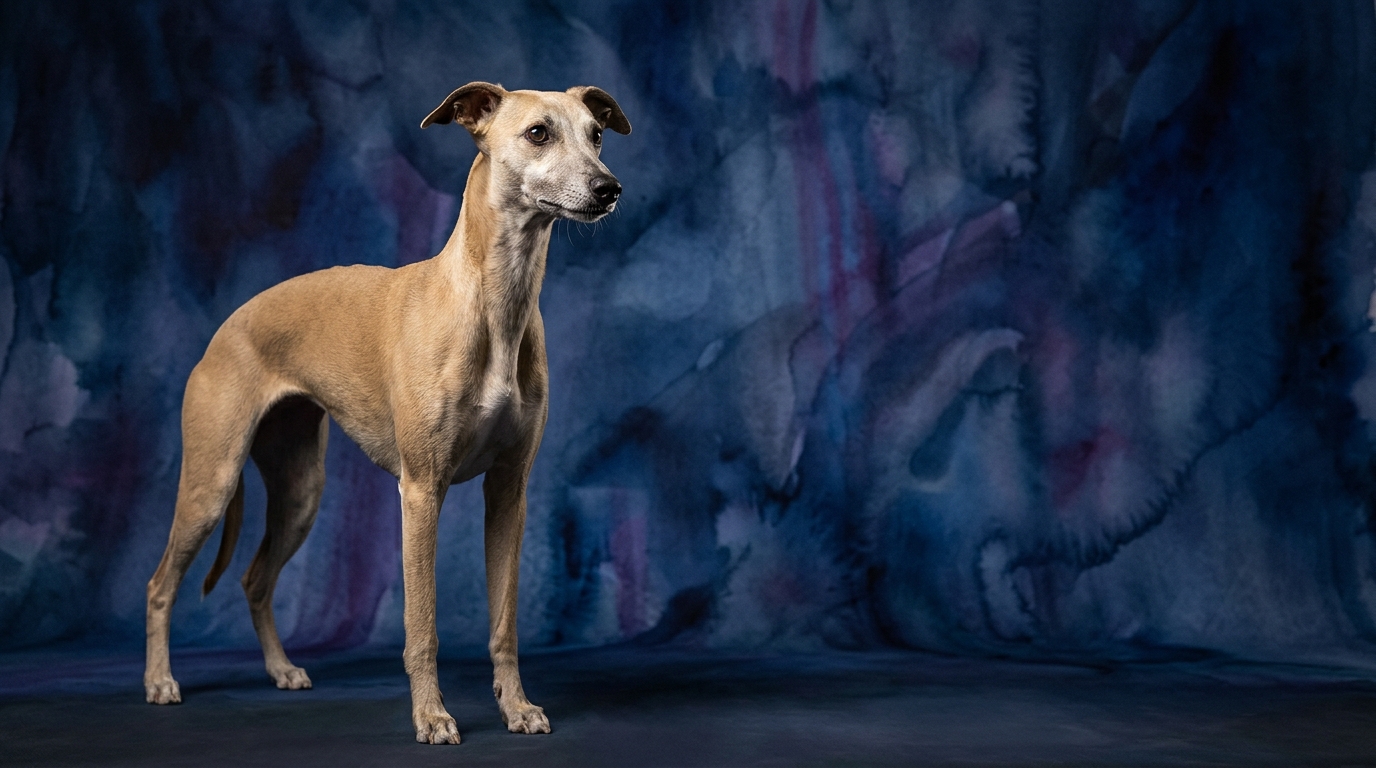
The Whippet, ranking #51 in Coren's intelligence scale, presents a fascinating blend of mental attributes. Their Problem Solving is rated 3/5, indicating a moderate capacity to navigate new situations independently. Training Speed, at 2/5, suggests they require patient and consistent teaching methods, often needing more repetition to solidify commands. Where they truly shine is Social Intelligence, scoring 4/5, demonstrating a keen ability to interpret human cues and bond deeply with their families. Their Instinctive Drive is exceptionally high at 5/5, reflecting their sighthound heritage and powerful urge to chase, while Memory is an average 3/5 for retaining experiences and learned behaviors.
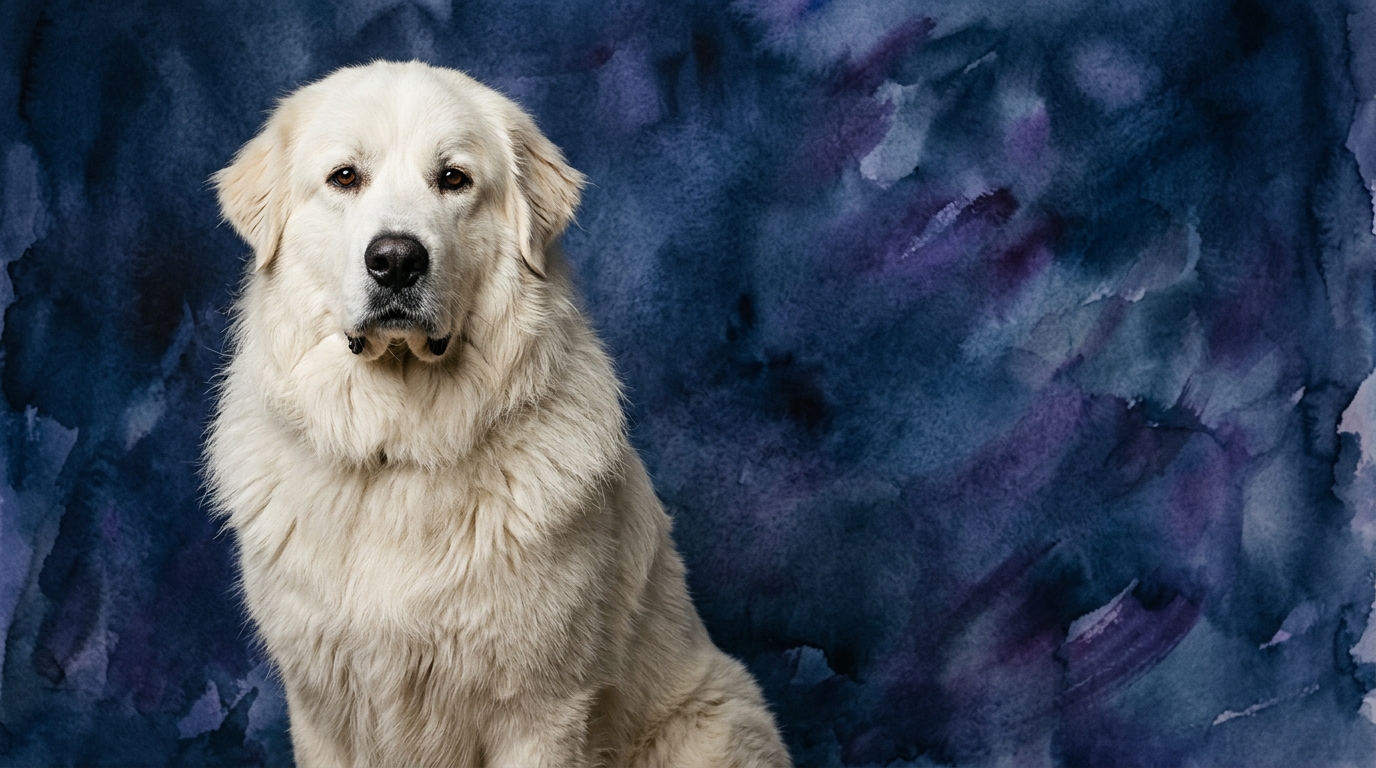
The Great Pyrenees, positioned at #64 on the Coren scale, showcases a different set of cognitive strengths tailored to their guardian role. Like the Whippet, their Problem Solving is 3/5, signifying a moderate ability to make independent judgments, particularly in their environment. Their Training Speed, however, is slightly higher at 3/5, meaning they might grasp new commands a bit faster, though their inherent independence can still influence compliance. Social Intelligence stands at 3/5, indicating they understand social dynamics but are often more reserved. Their Instinctive Drive is also 3/5, focused on protection and territorial vigilance rather than pursuit, and their Memory is an average 3/5, allowing them to recall past events and learned routines.
Where the Whippet's Mind Excels
The Whippet's cognitive profile reveals distinct advantages, particularly in areas related to companionship and focused, instinctive action. Their superior Social Intelligence, rated 4/5 compared to the Great Pyrenees' 3/5, means Whippets are often more emotionally attuned to their human companions. They possess a greater propensity for reading subtle body language and vocal cues, often seeking out interaction and comfort, which fosters a deep, responsive bond within a family setting. This social acumen makes them particularly empathetic and engaging companions.
Furthermore, the Whippet's exceptionally high Instinctive Drive (5/5) is a cognitive strength, even if it presents training challenges. This powerful innate programming for chasing and pursuit means they possess incredible focus and stamina when engaged in activities that tap into this drive, such as lure coursing. Their ability to lock onto a moving target and execute complex maneuvers at speed demonstrates a highly specialized form of cognitive-physical coordination, making them masters of their sighthound craft. While it requires careful management, this intense drive is a defining mental characteristic.
Great Pyrenees' Unique Cognitive Strengths
The Great Pyrenees' cognitive strengths are deeply rooted in their historical role as independent livestock guardians. While their Problem Solving score of 3/5 matches the Whippet's, the application of this ability differs significantly. A Pyrenees' problem-solving often involves assessing environmental threats, deciding when to intervene, and making judgments about the safety of their charges without direct human input. This involves a calm, considered evaluation of complex situations, demonstrating a nuanced form of practical intelligence crucial for their work. Their independence, often perceived as stubbornness, is a cognitive asset in this context, allowing them to act autonomously.
Another subtle cognitive advantage for the Great Pyrenees lies in their slightly higher Training Speed (3/5 vs. Whippet's 2/5). While both breeds are independent thinkers, a Pyrenees might consolidate new commands and routines a touch faster once they perceive the value or logic in complying. Their Instinctive Drive, rated 3/5, although lower than the Whippet's, is focused on vigilance and protection. This involves a constant, low-level cognitive process of monitoring their surroundings, discerning friend from foe, and maintaining a watchful presence—a complex form of environmental awareness that is a hallmark of their breed.
Training Dynamics: Whippet vs. Great Pyrenees
When it comes to ease of training, both breeds present unique considerations stemming from their cognitive profiles. The Whippet's Training Speed of 2/5, combined with an overwhelming Instinctive Drive of 5/5, means they can be easily distracted by anything that moves. Their strong prey drive can lead to selective hearing, where a squirrel or a blowing leaf becomes far more compelling than a recall command. Owners must employ high-value rewards, consistent positive reinforcement, and understand that off-leash reliability, especially in unsecured areas, can be a significant challenge due to their inherent drive to chase.
The Great Pyrenees, with a slightly better Training Speed of 3/5, might grasp the mechanics of a command quicker, but their independence and 3/5 Instinctive Drive for guarding can still make them challenging students. They are bred to think for themselves, often weighing a command against their own judgment or perceived duties. This means training requires immense patience, understanding their motivations, and demonstrating that compliance is a worthwhile endeavor. Unlike the Whippet, whose distraction is often visual and movement-based, the Pyrenees might ignore commands if they are focused on patrolling their perceived territory or assessing a distant sound. Neither breed is inherently "easy" to train in the traditional sense, demanding a thoughtful and consistent approach that respects their individual cognitive predispositions.
Lifestyle Match: Active vs. Relaxed Owners
The Whippet, despite often being dubbed a "45-mph couch potato," requires specific outlets for their high Instinctive Drive (5/5). They thrive with owners who can provide regular, intense bursts of exercise, such as lure coursing, sprints in a securely fenced yard, or long, brisk walks. While they are content to lounge indoors for much of the day, neglecting their need to run can lead to restlessness. Their 4/5 Social Intelligence means they deeply value companionship and interactive play, making them suitable for active owners who also enjoy engaging with their dog in social settings or shared activities.
In contrast, the Great Pyrenees, with their 3/5 Instinctive Drive focused on guarding, is better suited for more relaxed owners who appreciate a watchful, calm presence. They are not built for high-speed sprints or intense athletic pursuits. Instead, they prefer moderate, consistent exercise like long, leisurely walks or the opportunity to patrol a large, securely fenced property. Their independence means they are often content to supervise their domain and be near their family rather than constantly demanding engagement. Owners who enjoy a serene home environment and can provide a steady, predictable routine will find the Pyrenees' cognitive makeup aligns well with their lifestyle.
The Verdict
For owners who appreciate a graceful, socially intelligent companion, value bursts of exhilarating speed, and are prepared to manage a strong prey drive with consistent training and secure exercise spaces, the Whippet is an excellent choice.
For those seeking a calm, watchful, and independent guardian presence, who can provide ample outdoor space for patrolling and enjoy a companion whose loyalty manifests as quiet vigilance rather than constant engagement, the Great Pyrenees is ideal.
🧠 Find Your Pet's IQ Score
Our Pet IQ Lab assessment covers 25+ tests across 5 cognitive dimensions — personalized to your breed.
Take the Full IQ Test →Frequently Asked Questions
Are Whippets or Great Pyrenees better at learning tricks?
Neither breed is typically celebrated for rapid trick learning due to their independent natures. The Great Pyrenees has a slightly higher Training Speed (3/5 vs. Whippet's 2/5), suggesting they might pick up commands and tricks a bit faster if motivated, but both require consistent, positive reinforcement and patience from their owner.
How do their social intelligence scores impact their family life?
The Whippet's higher Social Intelligence (4/5) generally means they are more overtly expressive, attuned to human emotions, and seek out interactive companionship, often thriving on close family bonds. The Great Pyrenees' 3/5 score indicates they understand social cues but tend to be more reserved and independent, expressing their loyalty through watchful presence rather than constant engagement.
Which breed is more prone to running away due to their instincts?
The Whippet, with its exceptionally high Instinctive Drive (5/5) for chasing, is highly prone to bolting after perceived prey if off-leash in an unsecured area, making recall challenging. The Great Pyrenees' Instinctive Drive (3/5) is focused on guarding its territory, so while they might wander to patrol, their motivation is typically different from the Whippet's pure chase drive.