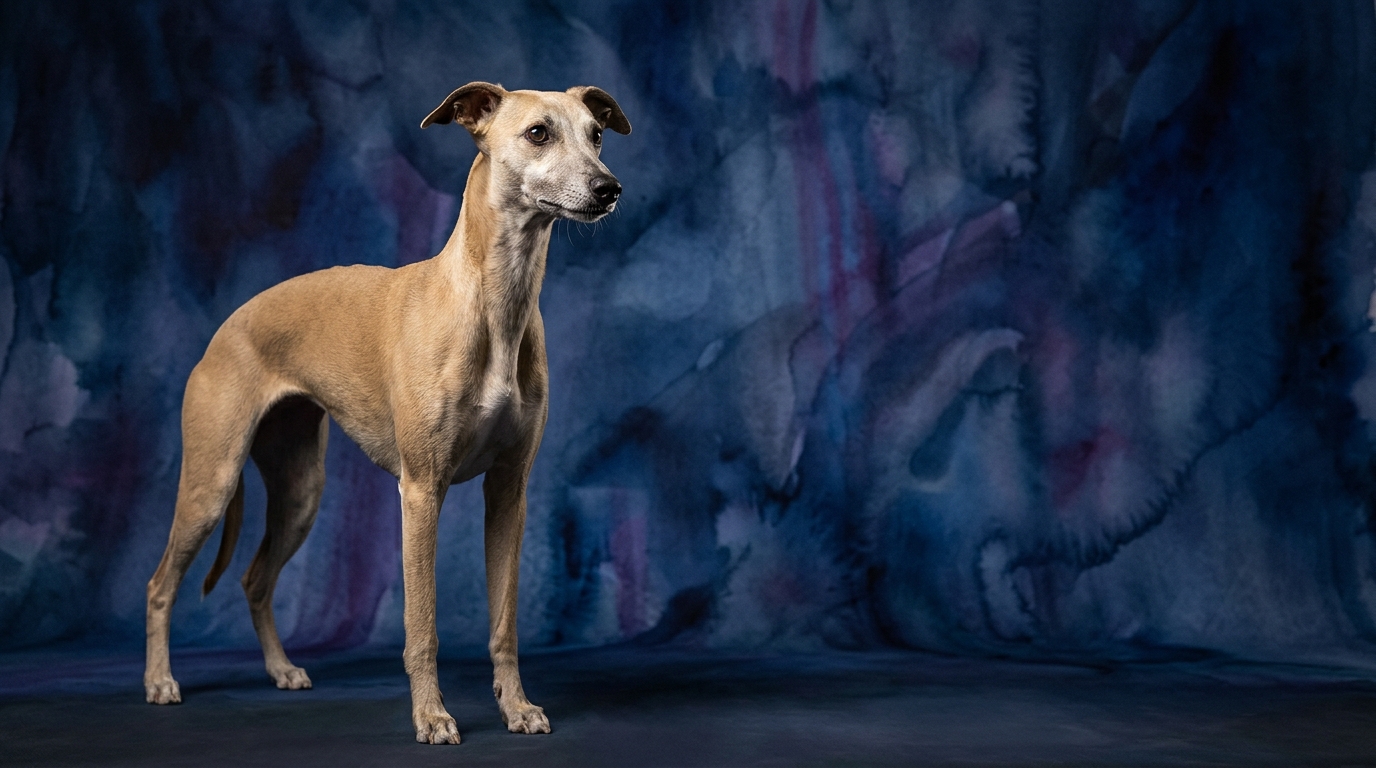
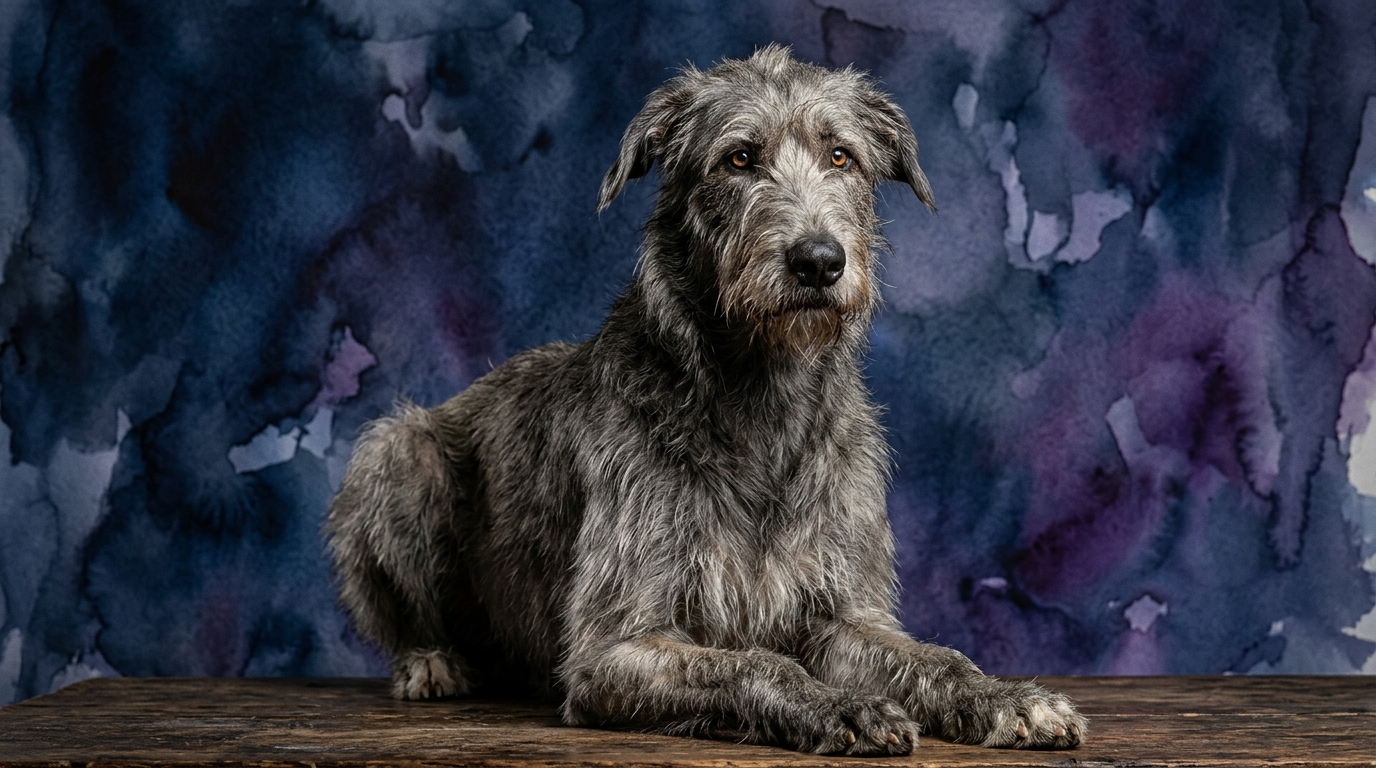
Side-by-Side IQ Profile: Whippet vs. Irish Wolfhound
The Cosmic Pet Pet IQ Lab employs a five-dimensional framework to assess canine intelligence, moving beyond simple obedience metrics. For the Whippet, Coren-ranked #51 for working and obedience intelligence, its profile includes a Problem Solving score of 3/5, indicating practical aptitude for immediate environmental challenges rather than complex, multi-step puzzles. Its Training Speed is rated 2/5, suggesting patience and consistent positive reinforcement are crucial due to an independent streak. A notable strength is its Social Intelligence at 4/5, highlighting deep attunement to human emotions and social cues, fostering strong companionship bonds. The Whippet’s Instinctive Drive is a pronounced 5/5, reflecting its powerful prey drive and exceptional focus on chase and pursuit, characteristic of its sighthound heritage. Finally, its Memory is a solid 3/5, indicating a standard capacity for retaining commands, routines, and past experiences.
In contrast, the Irish Wolfhound, not specifically ranked by Coren but assessed through our internal IQ metrics, presents a distinct cognitive blueprint. Its Problem Solving score matches the Whippet at 3/5, suggesting a similar ability to devise practical solutions to everyday obstacles. The Irish Wolfhound shows a slight edge in Training Speed with a score of 3/5, implying greater amenability to structured learning and a potentially quicker grasp of new commands. Its Social Intelligence stands at 3/5, indicating a responsive and affectionate nature, though perhaps less overtly expressive or intensely attuned than the Whippet. The Instinctive Drive of the Irish Wolfhound is rated 3/5; while present, it is less intense and singularly focused on pursuit than its smaller counterpart, aligning with its "gentle giant" reputation. Memory for the Irish Wolfhound also scores 3/5, reflecting a comparable capacity for recalling information and routines.
Where the Whippet Wins Cognitively
The Whippet's cognitive strengths particularly shine in social intelligence and instinctive drive. With a Social Intelligence score of 4/5, superior to the Irish Wolfhound's 3/5, the Whippet demonstrates a remarkable capacity for understanding and responding to human emotions and social dynamics. This heightened perception allows Whippets to form exceptionally deep, empathetic bonds, often anticipating needs or moods with sensitivity. They thrive on close interaction, making them highly responsive and emotionally connected companions.
Furthermore, the Whippet's Instinctive Drive, rated a powerful 5/5 against the Irish Wolfhound's 3/5, underscores its unparalleled aptitude for tasks rooted in its sighthound heritage. This isn't just about chasing; it reflects sophisticated cognitive processing focused on target acquisition, rapid decision-making in pursuit, and sustained focus on a moving object. This intense drive makes Whippets exceptional at activities like lure coursing, where their natural talents for speed, agility, and precise tracking are fully engaged and cognitively stimulated, making them masters of this specific cognitive domain.
Where the Irish Wolfhound Wins Cognitively
While the Whippet excels in social attunement and instinctual pursuit, the Irish Wolfhound presents a distinct cognitive advantage in Training Speed, scoring 3/5 compared to the Whippet's 2/5. This seemingly small difference holds significant practical implications for owners. A higher training speed indicates the Irish Wolfhound may grasp new commands, learn routines, and respond to structured training sessions with greater readiness and fewer repetitions. This suggests a slightly more cooperative mindset during learning, potentially translating to a more straightforward experience for trainers introducing basic obedience or new behaviors.
This edge in training speed implies a cognitive profile that might be marginally more receptive to human direction during formal instruction. While both breeds show similar problem-solving abilities and memory, the Irish Wolfhound's slightly higher score in training speed suggests an enhanced ability to focus on the task at hand when directed, perhaps exhibiting less independent thought or distraction compared to the Whippet during learning phases. This makes them, on average, a more compliant student in a structured training environment.
Which is Easier to Train, and Why?
Based on their IQ profiles, the Irish Wolfhound, with its Training Speed score of 3/5, generally presents a slightly easier training experience compared to the Whippet, which scores 2/5. The Whippet’s lower training speed, combined with its profound Instinctive Drive (5/5), means it can be more easily distracted by environmental stimuli, particularly anything that triggers its chase instinct. Their focus might quickly shift from the trainer to a distant movement, requiring immense patience and highly engaging methods to maintain attention. Their independent sighthound nature means they often need compelling reasons to comply, preferring to act on their own volition.
In contrast, the Irish Wolfhound's marginally higher training speed suggests a greater willingness to engage with the training process. While still a sighthound, their 3/5 training speed implies they may be more receptive to cues and less prone to intense distraction during focused learning sessions. This doesn't mean effortless obedience, but they might require fewer repetitions and less intense motivation to understand and consistently execute commands. Their slightly more moderate instinctive drive (3/5) also contributes to this, as they may not be as overwhelmingly compelled by external environmental triggers that could derail a training session.
Cognitive Fit: Active Owners vs. Relaxed Owners
Considering their unique cognitive profiles, each breed aligns differently with owner lifestyles. For active owners who relish engaging in focused, high-energy activities, the Whippet presents an excellent cognitive fit. Its exceptional Instinctive Drive (5/5) means it thrives when given outlets for its natural pursuit behaviors, whether through lure coursing or vigorous sprints. These activities don't just provide physical exercise; they offer vital cognitive stimulation, allowing the Whippet to employ its specialized intelligence for tracking and rapid execution. Its high Social Intelligence (4/5) also ensures a deeply interactive and emotionally responsive companion for owners who appreciate a strong, perceptive bond during their adventures.
Conversely, for owners who prefer a more relaxed pace but still desire an engaging companion, the Irish Wolfhound offers a compelling cognitive match. While they still require regular exercise, their moderate Instinctive Drive (3/5) means they are generally less intensely driven by constant pursuit and are often content with daily walks and relaxed companionship indoors. Their slightly higher Training Speed (3/5) suggests they can integrate into routines with relative ease, offering a more predictable and cooperative presence for owners who prefer a calmer learning curve. The Irish Wolfhound’s 3/5 Social Intelligence ensures they are affectionate and responsive, providing a steady, gentle companionship without demanding the same intense emotional attunement that a Whippet might seek.
The Verdict
Choose the Whippet if you seek an emotionally perceptive companion who thrives on intense bursts of activity and shares your enthusiasm for focused, instinct-driven pursuits like lure coursing.
Opt for the Irish Wolfhound if you appreciate a noble, calm presence that offers a slightly more cooperative approach to training and a moderate, steady companionship.
🧠 Find Your Pet's IQ Score
Our Pet IQ Lab assessment covers 25+ tests across 5 cognitive dimensions — personalized to your breed.
Take the Full IQ Test →Frequently Asked Questions
Are Whippets good family dogs?
Yes, their high social intelligence makes them very attuned to family members, forming strong, empathetic bonds, though their chase drive requires supervision around small, fast-moving pets or children if not trained properly.
Do Irish Wolfhounds need a lot of exercise?
While large, their exercise needs are moderate; they enjoy daily walks and bursts of play, but aren't typically high-energy endurance athletes requiring constant intense activity.
What's the main difference in their problem-solving ability?
Both breeds share a 3/5 problem-solving score, indicating a similar practical intelligence for navigating their environment, rather than a strong inclination for complex, abstract cognitive tasks or puzzles.