Side-by-Side IQ Profile: Whippet vs. Miniature Pinscher
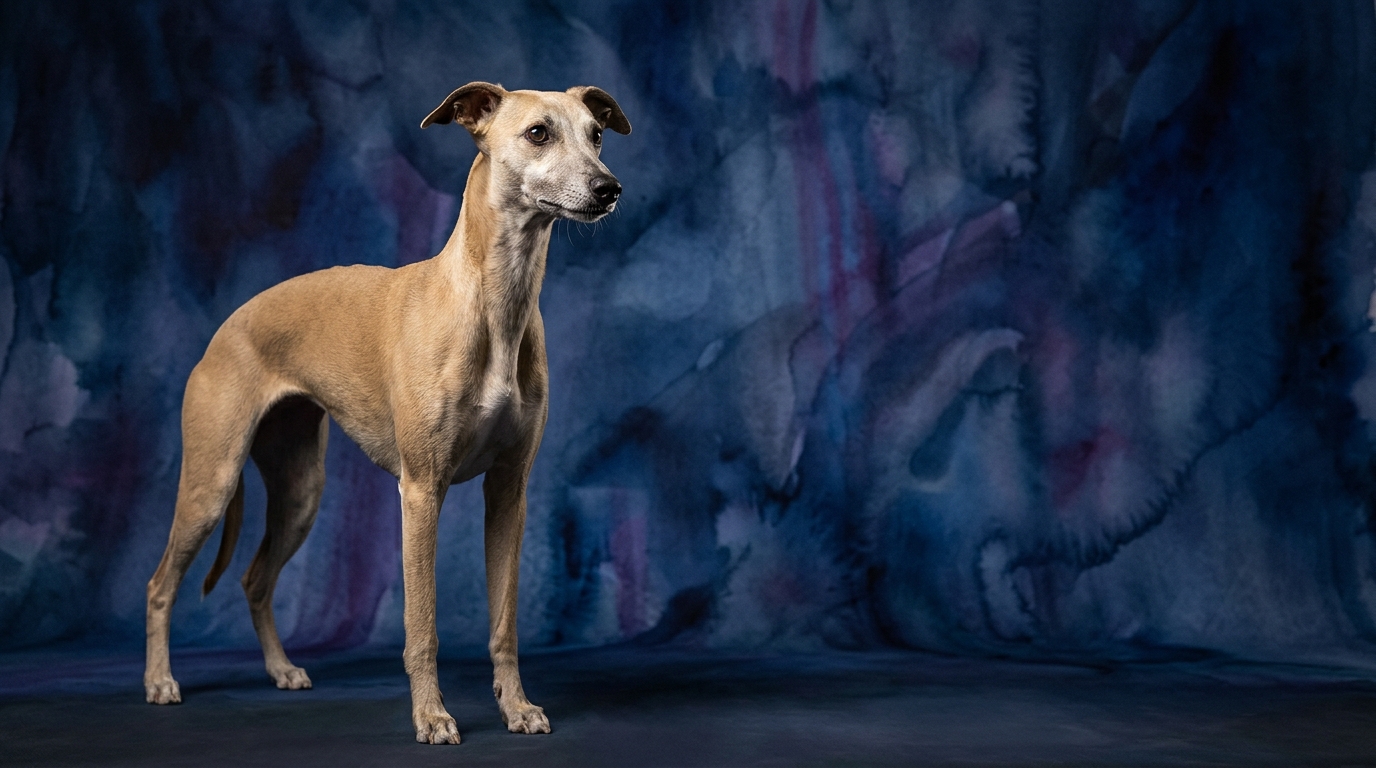
The Cosmic Pet Pet IQ Lab employs a five-dimensional framework to assess canine intelligence, offering a nuanced view beyond simplistic rankings. For the Whippet, a sighthound revered for its speed and grace, we observe a Coren rank of #51, placing them in the average working intelligence category, a solid foundation for understanding their specific cognitive strengths. Their Problem Solving is rated at 3/5, indicating a capacity for navigating new situations and puzzles, though perhaps not always with immediate flash. Training Speed, at 2/5, suggests they may require more repetition and patience, a characteristic often seen in independent sighthound breeds. Social Intelligence shines at 4/5, reflecting their strong bonds with their human families and their ability to read social cues. Instinctive Drive, a robust 5/5, underscores their powerful prey drive and inherent hunting behaviors, a core part of their genetic makeup. Finally, their Memory is rated 3/5, allowing them to retain learned commands and experiences effectively over time.
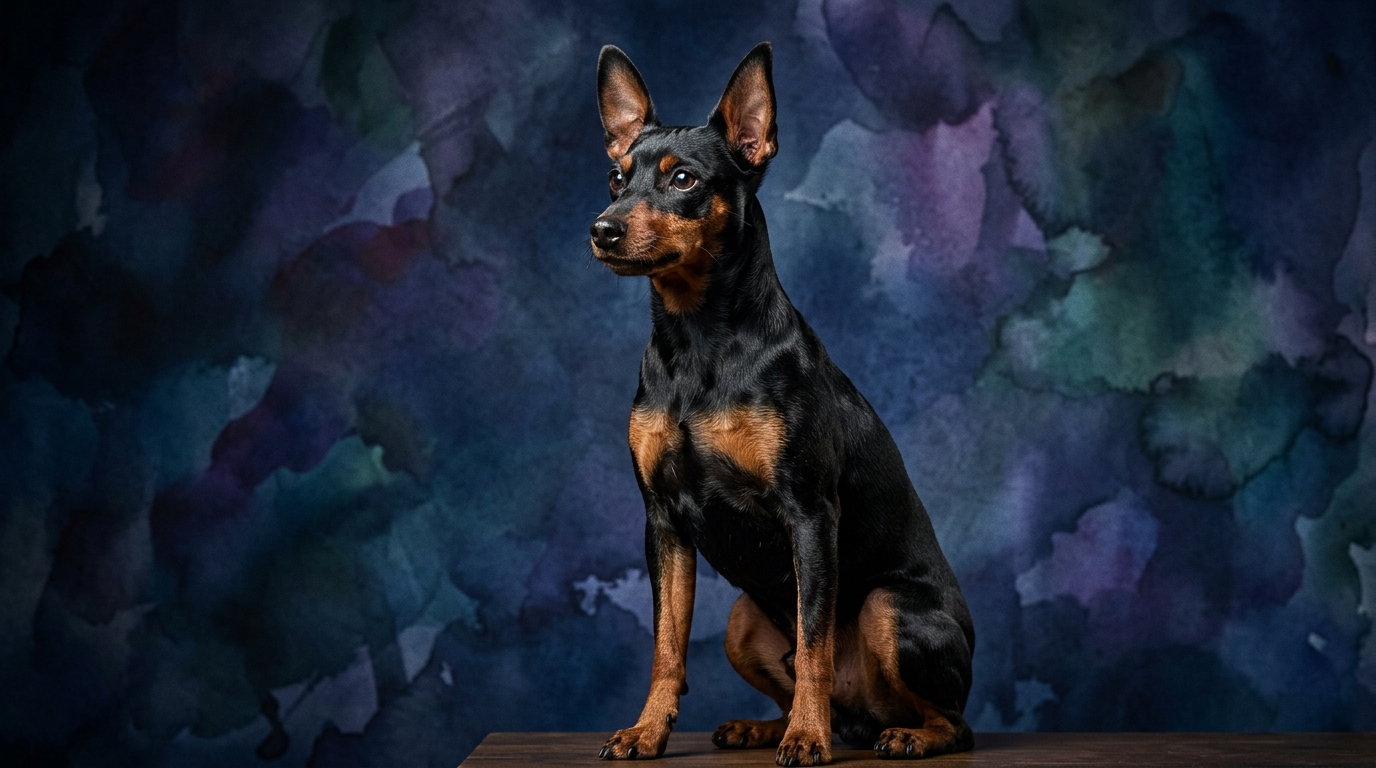
The Miniature Pinscher, a spirited member of the Toy group, presents a unique cognitive profile, not appearing on Coren's traditional ranking but offering distinct intellectual qualities. Their Problem Solving mirrors the Whippet at 3/5, showing a similar capability for figuring out challenges, often with a bold and self-assured approach. Interestingly, their Training Speed is rated 3/5, a point higher than the Whippet, implying they may pick up new commands with slightly greater efficiency. Social Intelligence for the Min Pin stands at 3/5, indicating they are generally responsive to human interaction and capable of forming bonds, though perhaps with a more selective or assertive social dynamic than the Whippet. Their Instinctive Drive is also 3/5, suggesting a moderate drive for hunting or guarding that, while present, is less overwhelming than a sighthound's. Memory, like the Whippet, is rated 3/5, enabling them to recall past lessons and routines reliably.
Where the Whippet Wins Cognitively
The Whippet's cognitive strengths distinctly manifest in their exceptional Social Intelligence (4/5) and a formidable Instinctive Drive (5/5). Their higher social intelligence means they are often more attuned to human emotions and subtle cues, making them incredibly empathetic companions. This manifests as an intuitive understanding of household dynamics, often seeking comfort or offering quiet companionship when sensing distress. While perhaps not always quick to learn a complex trick, their capacity for deep emotional connection and their nuanced understanding of social situations provides a profound win in the realm of companionship. Furthermore, their powerful instinctive drive, rooted in centuries of sighthound breeding, gives them an unparalleled focus and tenacity when pursuing a perceived quarry, whether it's a lure on a track or a squirrel in the yard. This drive, while requiring careful management, represents a highly specialized form of intelligence for their intended purpose, showcasing incredible speed and precision in action.
Where the Miniature Pinscher Wins Cognitively
The Miniature Pinscher carves its cognitive niche with a slightly superior Training Speed (3/5) compared to the Whippet. This edge often translates into a quicker grasp of basic obedience commands and new tricks, making initial training sessions potentially more rewarding for both dog and owner. While neither breed is at the very top tier for training speed, the Min Pin's more balanced instinctive drive (3/5) and slightly more cooperative nature in a structured learning environment can give them an advantage. Their problem-solving abilities, while numerically matching the Whippet, are often coupled with a bolder, more tenacious personality. This can manifest as a determined approach to overcoming obstacles, whether it's figuring out how to open a cabinet or outsmarting a puzzle toy, often driven by a strong will and a desire to get what they want.
Which is Easier to Train and Why
When it comes to ease of training, the Miniature Pinscher generally holds a slight advantage over the Whippet. The Min Pin's Training Speed score of 3/5, compared to the Whippet's 2/5, suggests they are marginally quicker to form associations between commands and actions. This difference isn't dramatic, but it can mean fewer repetitions are needed for a Min Pin to grasp a new concept. The Whippet, with its strong independent streak inherent to sighthounds, can sometimes be less motivated by traditional reward-based training if the reward isn't compelling enough or if their attention is captured by something more interesting, like a distant movement. Their 5/5 Instinctive Drive means that if something resembling prey appears, all prior training might temporarily vanish. Min Pins, while spirited and sometimes stubborn, possess a more moderate Instinctive Drive (3/5), which makes them less prone to being entirely consumed by external stimuli during a training session. Their bold nature, while occasionally leading to defiance, also means they often approach new learning with a self-assured curiosity, which can be channeled effectively with consistent, positive reinforcement. Therefore, owners seeking a dog that might pick up commands a little faster and remain more focused in diverse training environments might find the Miniature Pinscher marginally easier to guide.
Which Suits Active Owners vs. Relaxed Owners
The Whippet, despite its reputation for speed, can surprisingly suit both active and more relaxed owners, albeit with specific considerations. Their 5/5 Instinctive Drive means they require outlets for their need to run and chase, making them ideal for active owners who enjoy lure coursing, long walks, or secure off-leash play in fenced areas. However, once their exercise needs are met, their high Social Intelligence (4/5) and moderate energy levels indoors make them superb 'couch potatoes,' content to snuggle and relax, fitting well with relaxed owners who appreciate quiet companionship at home. They aren't constantly demanding attention but thrive on close proximity. The Miniature Pinscher, with its balanced 3/5 scores across most cognitive dimensions and a lower Coren ranking, typically leans towards suiting moderately active owners. Their energetic and curious nature means they thrive on regular walks, playtime, and mental stimulation through training or puzzle toys. While they enjoy downtime, their inherent 'big dog in a small body' personality often means they have a persistent zest for activity and exploration. They are not as prone to the explosive bursts of energy followed by deep relaxation seen in Whippets; instead, their energy tends to be more consistent and sustained throughout the day. Owners who prefer a dog that is always ready for an adventure, even if it's just a spirited walk around the block, will find the Min Pin a delightful fit. They are less likely to be content with extensive periods of quiet lounging, often seeking engagement and interaction.
The Verdict
Choose the Whippet if you value deep social connection, appreciate a dog that can transition from explosive outdoor activity to serene indoor lounging, and are prepared to manage a strong prey drive.
Choose the Miniature Pinscher if you prefer a dog that picks up training a bit quicker, offers consistent moderate energy for daily engagement, and enjoys a bold, assertive companion who thrives on mental and physical stimulation.
🧠 Find Your Pet's IQ Score
Our Pet IQ Lab assessment covers 25+ tests across 5 cognitive dimensions — personalized to your breed.
Take the Full IQ Test →Frequently Asked Questions
Are Whippets good with children?
Whippets, with their 4/5 Social Intelligence, are generally gentle and tolerant with children, especially if raised with them. Their calm indoor demeanor and affectionate nature make them good family pets, though their sensitivity means rough play should be avoided.
Do Miniature Pinschers bark a lot?
Miniature Pinschers can be prone to barking, particularly due to their vigilant nature and moderate instinctive drive (3/5). Early training and socialization are crucial to manage excessive vocalization, channeling their alertness appropriately.
Which breed is more independent?
The Whippet tends to be more independent, especially during outdoor activities, driven by their 5/5 instinctive drive to chase. Miniature Pinschers, while self-assured, often have a strong desire to be involved in household activities and can be quite demanding of attention, making them less independently-minded in a domestic setting.