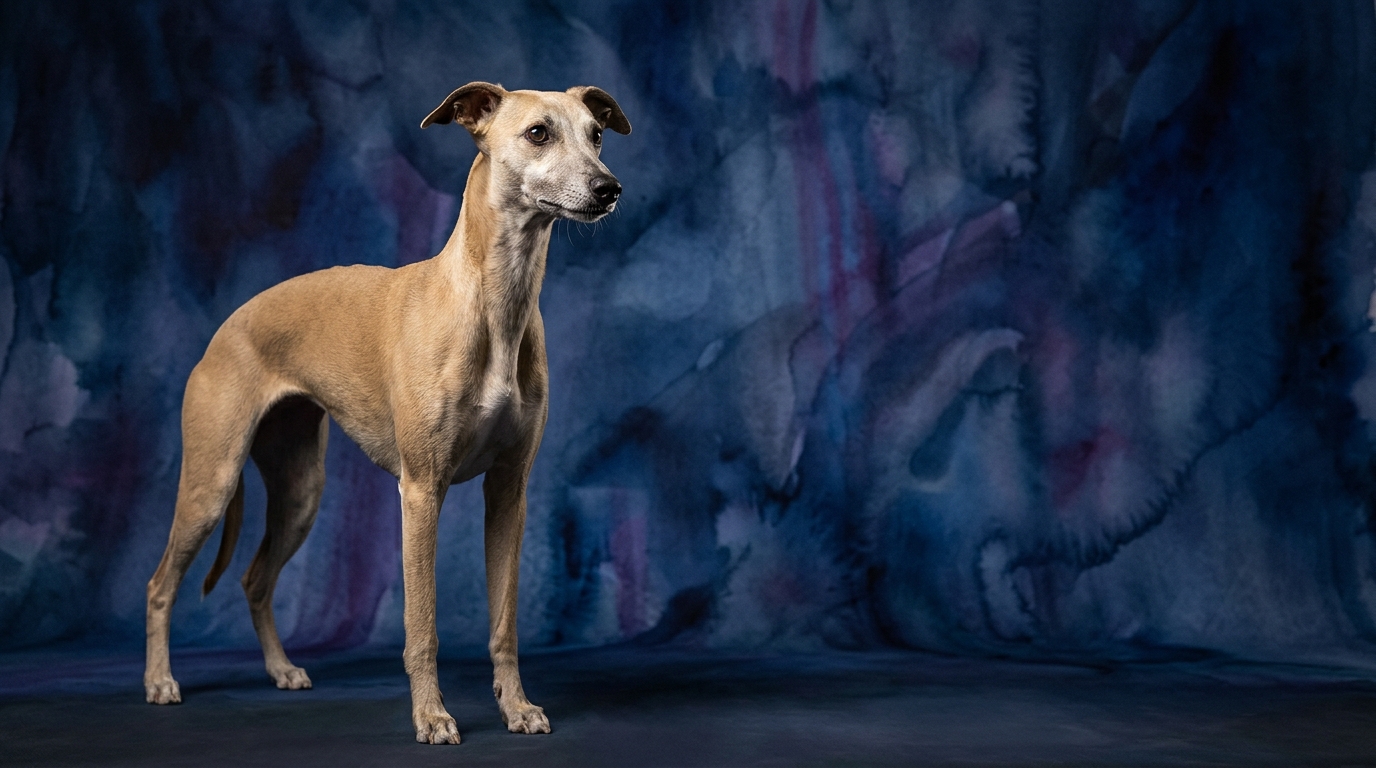
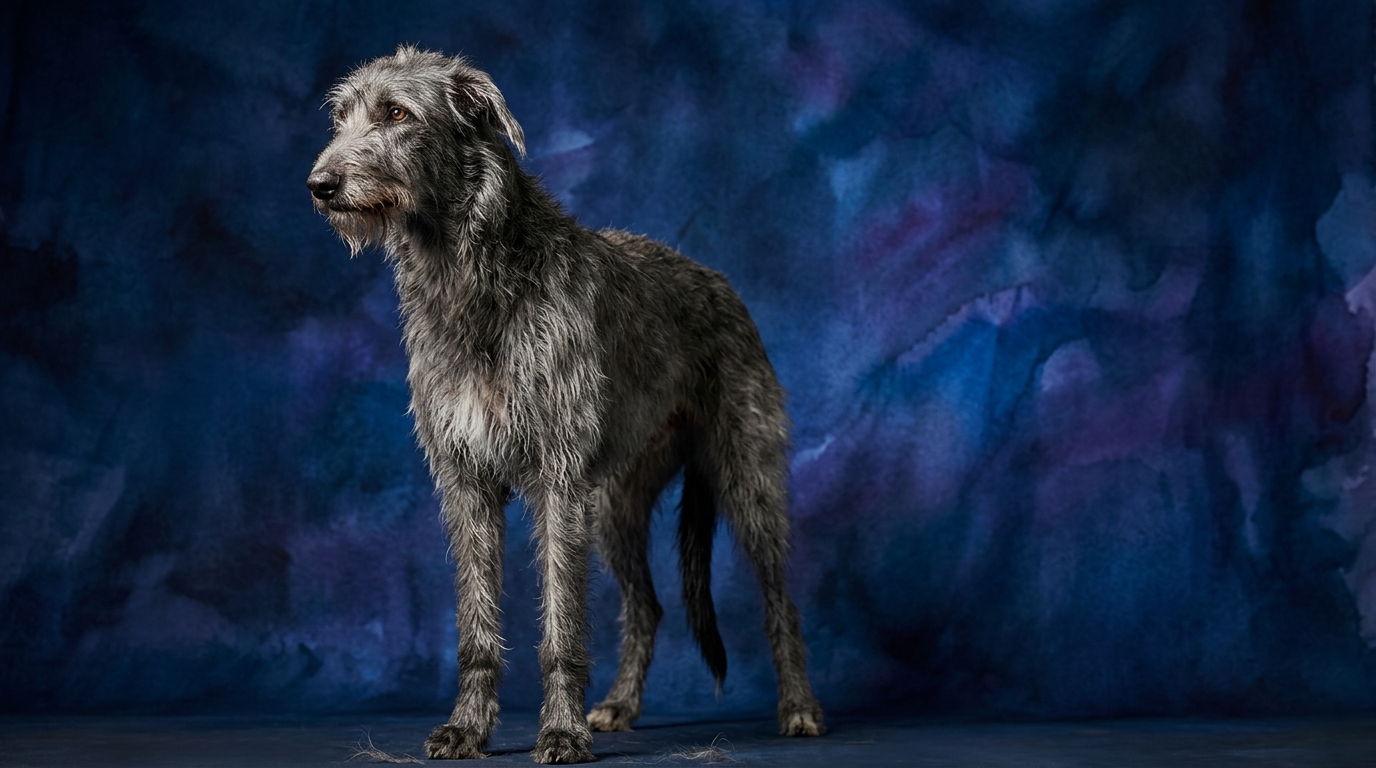
Side-by-Side IQ Profile: Whippet vs. Scottish Deerhound
Delving into the cognitive makeup of these two sighthounds reveals distinct profiles, despite their shared heritage. The Whippet, ranked #51 by Coren for working and obedience intelligence, showcases a unique blend of sharp social awareness and intense drive. The Scottish Deerhound, while not Coren-ranked, offers a different, more balanced set of intellectual attributes.
When it comes to **Problem Solving**, both breeds score a 3 out of 5. This indicates a moderate capacity for independent thought and ingenuity. Neither breed is typically a master puzzle-solver in the way some working breeds are, but they are resourceful within their sighthound context, capable of navigating their environment efficiently during a chase or figuring out simple obstacles. Their problem-solving often manifests practically, such as finding the quickest route to a desired location or cleverly bypassing a barrier.
In **Training Speed**, the Scottish Deerhound holds a slight advantage at 3 out of 5, compared to the Whippet’s 2 out of 5. This dimension reflects how quickly a dog learns and retains new commands. The Whippet's lower score suggests a more independent nature, where their focus might be more challenging to capture and sustain during repetitive training sessions. The Deerhound, while still an independent sighthound, may exhibit a slightly greater willingness to engage and process new information from their handler.
**Social Intelligence** is where the Whippet truly shines, scoring an impressive 4 out of 5, while the Scottish Deerhound rates 3 out of 5. Whippets are often noted for their profound sensitivity and emotional attunement, readily picking up on human moods and social cues. They can be remarkably empathetic companions, often seeking closeness and comfort. The Deerhound, while amiable and gentle, tends to be more reserved in its social interactions, affectionate but perhaps less nuanced in reading subtle human emotional shifts.
The **Instinctive Drive** presents the most significant divergence. The Whippet scores a maximal 5 out of 5, reflecting an incredibly potent prey drive and an inherent impulse to chase anything that moves quickly. This intense focus is a hallmark of their breed purpose. The Scottish Deerhound, by contrast, scores a 3 out of 5. While they possess a sighthound's drive to pursue, it is generally more moderated, less explosive, and often more manageable in a domestic setting, aligning with their history of hunting larger, slower game.
Finally, for **Memory**, both breeds register a 3 out of 5. This score suggests a practical memory for routines, familiar faces, and learned commands, but they might not possess an exceptional capacity for recalling intricate sequences or detailed past events. Their memory serves well for daily life and basic training, ensuring they remember who their family is and where their food bowl is located, but complex, multi-step recall might not be their forte.
Where the Whippet Wins Cognitively
The Whippet's cognitive strengths are particularly evident in two key areas: social intelligence and instinctive drive. Their remarkable **social intelligence (4/5)** allows them to form deep, empathetic bonds with their human companions. They often display an uncanny ability to perceive and respond to subtle shifts in human emotion, offering comfort or mirroring the mood of their family members. This makes them highly adaptable to social dynamics within a home, making them intuitive and responsive companions who thrive on close interaction and understanding.
Furthermore, the Whippet's intense **instinctive drive (5/5)**, while requiring careful management, represents a pinnacle of specialized cognitive function. In activities like lure coursing, this drive translates into an extraordinary ability to process visual information at high speeds, predict the movement of a lure, and execute agile, precise maneuvers. This single-minded focus and explosive energy, channeled appropriately, showcase a highly developed, instinct-driven cognitive specialization for pursuit that is truly exceptional among dog breeds. Their entire being is geared towards the chase, demonstrating incredible cognitive efficiency in that domain.
Where the Scottish Deerhound Wins Cognitively
The Scottish Deerhound's cognitive advantages often lie in its more balanced temperament and slightly more receptive training aptitude. Their **training speed (3/5)**, though moderate, places them a notch above the Whippet. This suggests a slightly greater willingness to engage in structured learning and a more consistent ability to process and retain commands. While still possessing a sighthound's independent spirit, the Deerhound's more deliberate and thoughtful nature can translate into a steadier learning curve, making them more amenable to patient, positive reinforcement techniques.
Additionally, the Deerhound's **moderated instinctive drive (3/5)** can be seen as a cognitive win in a domestic context. Unlike the Whippet's intense, all-consuming drive, the Deerhound's drive is present but less overwhelming. This allows for a more balanced cognitive state where they can process a broader range of environmental stimuli without being solely fixated on the chase. This contributes to their generally calm and dignified demeanor, enabling them to make more considered decisions rather than acting purely on impulse, which can be a significant cognitive benefit for adaptability and peaceful coexistence in a family home.
Which is Easier to Train and Why?
Based on their IQ profiles, the Scottish Deerhound generally proves to be somewhat easier to train than the Whippet. The Deerhound’s training speed score of 3 out of 5, compared to the Whippet’s 2 out of 5, highlights a key difference. While both are sighthounds with an inherent independent streak, the Deerhound’s more deliberate and often calmer disposition can translate into a greater capacity for sustained focus during training sessions. They are often more receptive to consistent guidance and positive reinforcement, processing commands and associating actions with outcomes with a bit more readiness.
Whippets, with their lower training speed, can be more easily distracted by environmental stimuli, particularly anything that triggers their powerful prey drive. Their independent nature often means they weigh the perceived reward against the effort, and if an alternative, more stimulating activity (like spotting a squirrel) presents itself, it will frequently take precedence over a training cue. This requires more creativity, patience, and consistency from the owner to maintain their engagement, making the training journey potentially more challenging for basic obedience and manners compared to the more amenable Deerhound.
Which Suits Active vs. Relaxed Owners?
Understanding their cognitive profiles helps determine which breed aligns with different owner lifestyles. The **Whippet** suits owners who appreciate intense, short bursts of activity, followed by long periods of relaxation. Their maximal instinctive drive (5/5) means they require regular, vigorous outlets for chasing, such as lure coursing or sprint games in a secure area, which is crucial for their mental and physical well-being. However, once those needs are met, their high social intelligence (4/5) and inherent desire for comfort transform them into expert indoor companions, content to lounge closely with their family. They are ideal for owners who enjoy focused, high-energy play outdoors but appreciate a tranquil, empathetic presence at home.
The **Scottish Deerhound** is better suited for active owners who enjoy long, moderate walks or hikes in open spaces, providing opportunities for dignified exploration rather than frantic sprints. Their size demands consistent physical exertion to maintain fitness, but their more moderate instinctive drive (3/5) means their outdoor activities are often about endurance and curiosity, less about explosive, uncontrolled chasing. At home, they are remarkably calm, gentle, and often prefer a quiet, spacious corner to observe their surroundings. Their moderate social intelligence (3/5) ensures they are affectionate companions without being overly demanding, fitting well with owners who appreciate a noble, independent, and serene presence that enjoys substantial outdoor excursions.
The Verdict
Choose a Whippet if you seek a sensitive, highly social companion who thrives on intense, brief bursts of activity like lure coursing and then transforms into an expert couch potato, and you are prepared to manage a very strong prey drive with consistent training and secure environments.
Opt for a Scottish Deerhound if you desire a gentle, dignified giant for long, leisurely walks and quiet companionship at home, appreciating a more moderate instinctive drive and a slightly more receptive training temperament for a smoother learning curve.
🧠 Find Your Pet's IQ Score
Our Pet IQ Lab assessment covers 25+ tests across 5 cognitive dimensions — personalized to your breed.
Take the Full IQ Test →Frequently Asked Questions
Are Whippets good with children given their social intelligence?
Whippets often excel with children due to their high social intelligence (4/5) and generally gentle nature. They are patient and enjoy companionship, though their sensitivity means interactions should always be supervised to ensure mutual respect and prevent accidental rough play.
Do Scottish Deerhounds require extensive mental stimulation?
Scottish Deerhounds benefit from regular mental stimulation, though their problem-solving (3/5) and instinctive drive (3/5) scores suggest they don't require constant, complex puzzles. Engaging them with varied walking routes, scent games, or consistent, positive reinforcement training sessions helps keep their minds active and prevents boredom.
How does the Coren rank for Whippets (51) relate to their IQ scores?
The Coren rank primarily assesses "working and obedience intelligence," which aligns closely with a breed's training speed and willingness to follow commands. A Whippet's rank of #51, reflecting their independent nature and lower training speed (2/5), indicates they are not as readily compliant in obedience tasks as some other breeds, despite their high social intelligence and deep emotional capacity.